

There's a phrase printed on most packaged food. Sometimes it says "best before." Sometimes it says "use by." A lot of people treat them as interchangeable. They aren't, and treating them the same is one of the biggest drivers of household food waste.
The two phrases
Use by is about safety. It's a hard cutoff — manufacturer's best estimate of when the product becomes unsafe to eat, even when stored correctly. You see "use by" on raw meat, fresh fish, ready-meals, soft cheeses, fresh juices, and certain prepared salads. Past the date, the risk of foodborne illness rises sharply.
Best before is about quality. After this date, the food may lose flavor, color, or texture — but it's almost always still safe. You see "best before" on dry pasta, rice, biscuits, tinned goods, frozen food, chocolate, sauces, and most pantry staples. A jar of mustard six months past best-before is essentially the same jar.
Translations are similar:
- 🇺🇦 спожити до (= use by) vs найкраще до (= best before)
- 🇵🇱 należy spożyć do vs najlepiej spożyć przed
- 🇩🇪 verbrauchen bis vs mindestens haltbar bis
- 🇷🇺 годен до (use by, in countries that distinguish) vs срок хранения
The distinction exists in every food labeling system that's worth a damn. Most people don't notice it.
What this means in practice
If a yogurt says "best before 14 May" and it's 16 May:
- Look at it. Is there mold? No.
- Smell it. Does it smell sour, sharp, or chemical-like? No.
- Taste a small bit. Is it bitter or fizzy? No.
- → Eat it. The yogurt is fine.
If raw chicken says "use by 14 May" and it's 16 May:
- Throw it out. No hero-points for surviving food poisoning.
The pattern: best-before is a suggestion. Use-by is a rule.
Some specifics by food
Eggs are unusually robust. A 3-week-old egg from a sealed carton, refrigerated, is fine to eat. The float test (sinks horizontally = fresh; tilts up = older but fine; floats = throw out) is more accurate than the date.
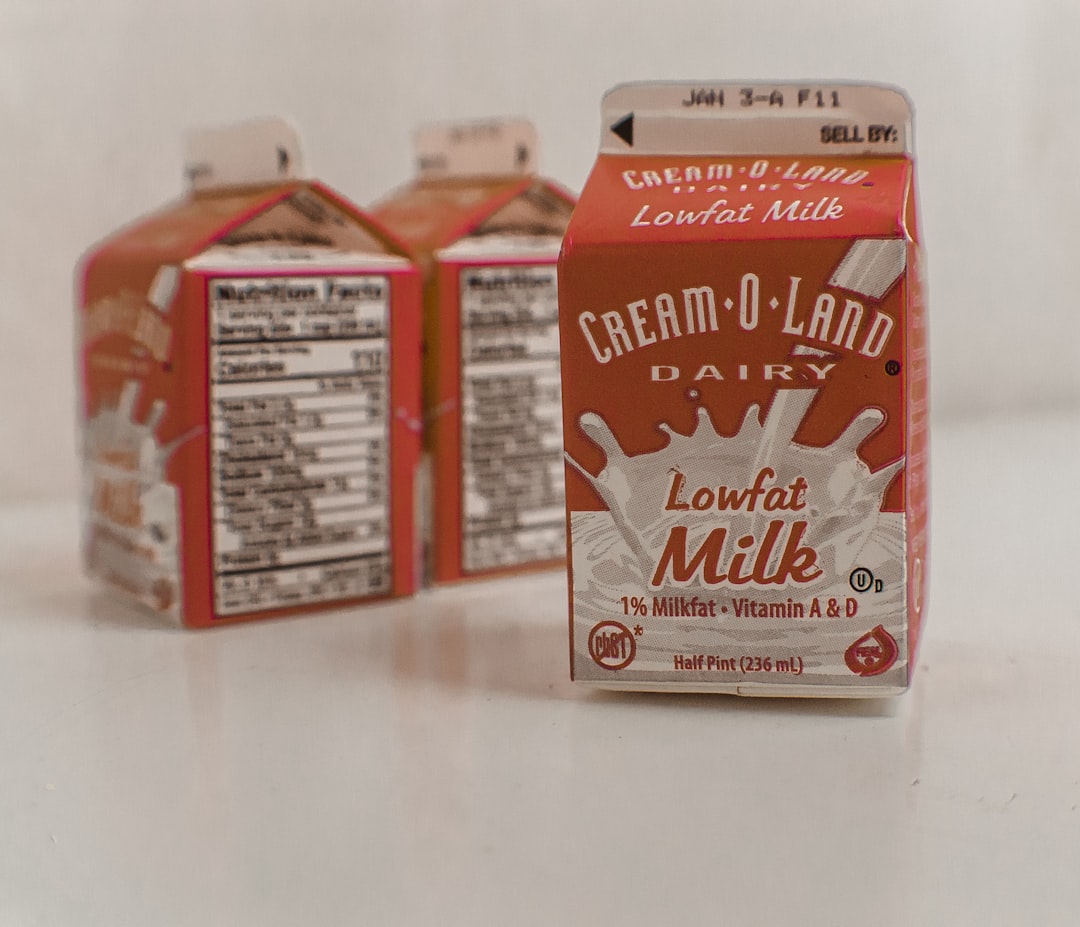
Milk typically lasts 5–7 days past best-before when sealed and refrigerated. Open milk degrades faster — trust your nose.
Dry pasta lasts years past best-before. The date is theater.
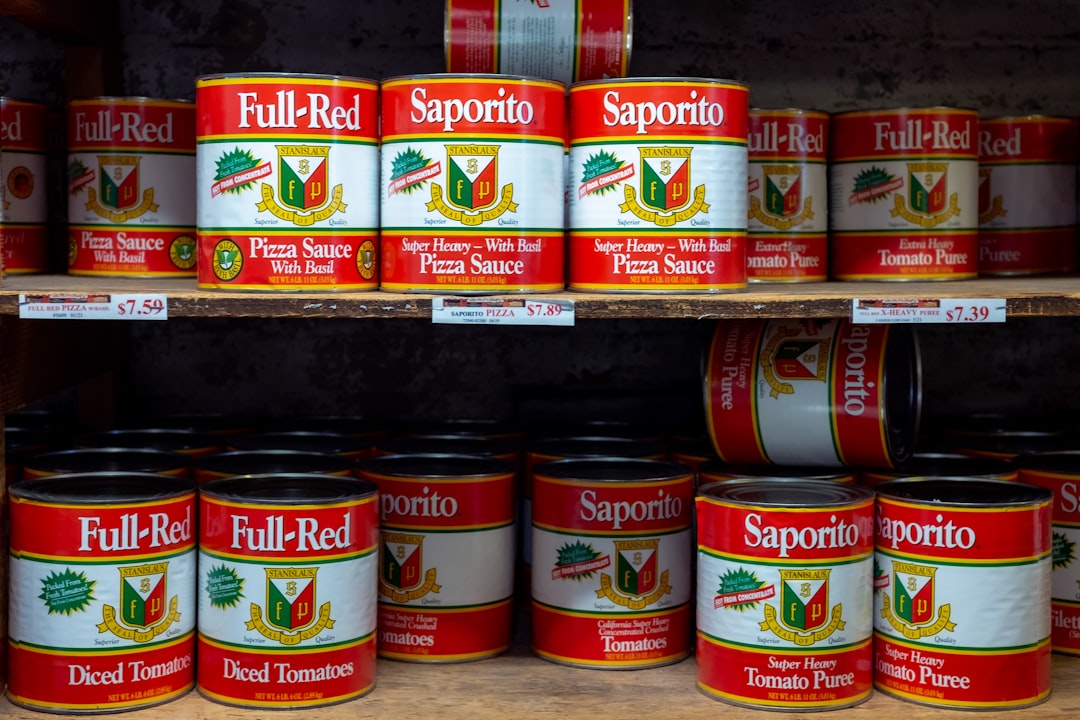
Canned tomatoes keep for 3–5 years past best-before if the can is undamaged. Bulging cans are the only red flag — that means bacterial growth and gas. Throw those out immediately.
Bread doesn't really expire — it goes stale or moldy. Mold = throw out. Stale = revive in a hot oven for 5 minutes, no harm done.
Cured meats (salami, prosciutto, dry-cured ham) are designed to last. Sealed, they outlive their printed date by months. The salt and air-drying make them stable.
Fresh fish is the opposite. Use-by is real. Smell, look at the gills (still red, not grey), check for slime. When in doubt, don't.
Why this matters
Roughly 30% of household food waste comes from confusion between best-before and use-by. People throw out perfectly good food on the wrong day because the package told them to.
The fix is paying attention to which phrase the package uses, then applying common sense (smell, look, taste a tiny bit) for best-before items. Date alone shouldn't decide whether something hits the bin.
A simple rule of thumb:
- Use by — obey the date.
- Best before — use your senses past the date.
If your senses say it's fine, it's fine. Your nose has been honed by a million years of evolution for exactly this job. Trust it.