

Most meal-planning advice falls into one of two camps. Either you spend Sunday afternoon making a spreadsheet with seven recipes, twenty ingredients, and a grocery run that you'll abandon by Wednesday — or you wing it and end up ordering delivery four nights out of seven.
There's a middle path. It takes about 15 minutes a week, runs on what you already own, and bends to whatever shows up at the farmers market or in the discount bin.
The rhythm
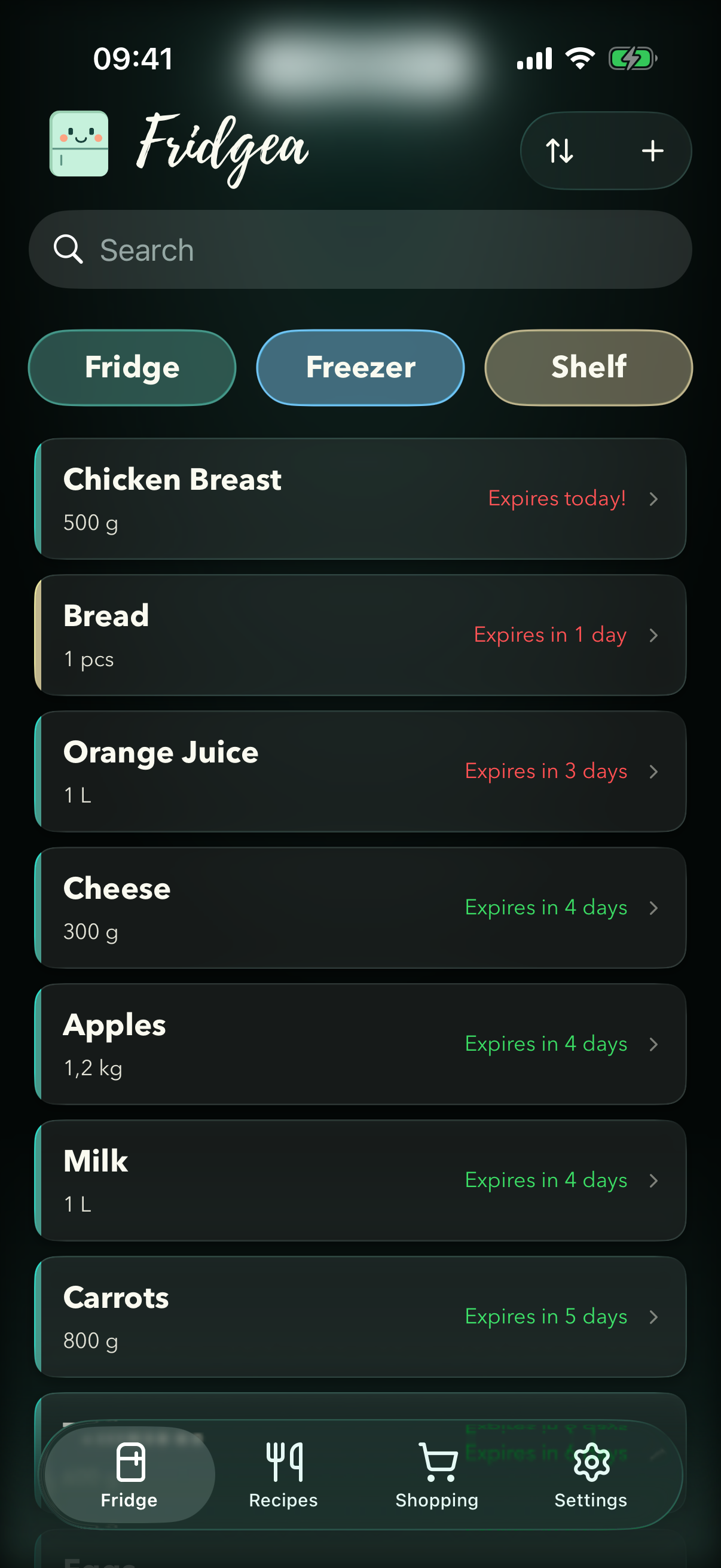
Sunday: Audit. Open the fridge, see what's there. (Or open Fridgea and let it tell you, color-coded by days-until-expiry.) Flag items that need cooking within 3 days.
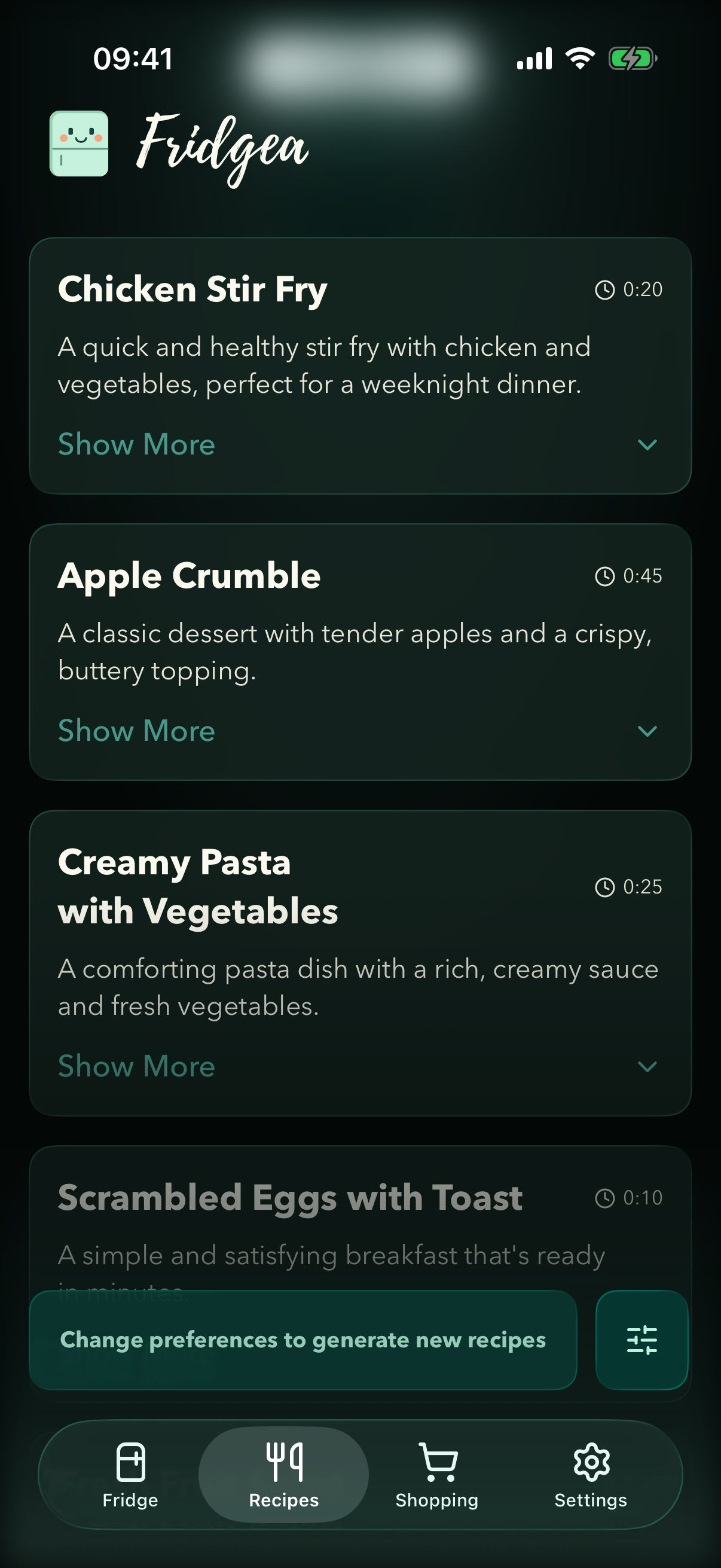
Sunday: Sketch. Pick four "anchor dinners" for the week. Anchor = a meal built around the item that's expiring soonest. The other three dinners are leftovers, eggs, or pasta. You're planning fewer meals than you think you need.
Monday–Friday: Cook the anchors. Each anchor is whatever uses up what's about to expire. Chicken breast on Tuesday becomes Wednesday's lunch. Bag of spinach you forgot about? Wilted into Thursday's pasta.
Saturday: Empty-fridge night. Whatever's left becomes one chaotic meal. Stir-fry, frittata, soup, grain bowl. The goal isn't elegance — it's not throwing things away.
Why this works
Traditional meal planning starts with the menu and works backward to ingredients. It assumes a perfectly stocked grocery store, infinite freezer space, and unchanging weekday energy. None of those are true.
What people actually have: an existing fridge, three or four ingredients about to turn, a vague sense of what they're in the mood for, and 25 minutes after work to cook.
The 7-day system inverts the order. You start with what you have. You ask: what's most at risk of being thrown away this week? That becomes the menu's spine. Everything else is filler — eggs, beans, pasta, rice, whatever's in the pantry.
Anchors by category
A few practical anchors for the items that most often go to waste:
- About-to-die chicken — roast it whole on day one, eat as-is night one, sandwich filling on day two, soup base on day three.
- Wilting greens — never throw out greens. Wilt them into anything: eggs, pasta, rice, lentils. They cook down to a tablespoon and disappear.
- Forgotten root vegetables — roast a sheet pan with olive oil and salt. Eat alongside anything else. Leftovers go into grain bowls.
- Half a container of yogurt — bake it into a cake (search "yogurt cake" — there's a thousand recipes, they all work). Or eat with honey and seeds.
- End-of-week eggs — frittata. Whatever's in the fridge goes in. Cooks in 15 minutes, feeds the whole table.
The grocery half
Once the menu is set, your shopping list is short: the missing ingredients to support the anchors, plus the staples (eggs, milk, bread, fruit for the week). Most weeks the list is 6–10 items, not 40.
Half the time, the missing items can be substituted with something you already own. You don't need the recipe's exact ingredients. The recipe is a suggestion.
How long this takes to feel natural
About three weeks. The first week you'll over-plan and over-shop. Second week you'll under-plan and feel adrift. Third week the rhythm clicks.
Pay attention to what survives untouched — that's something you bought out of habit, not need. Pay attention to what disappears immediately — that's a staple. Adjust shopping accordingly.
By month two, "what's for dinner?" stops being a question.