

The single biggest factor in how long your food lasts isn't the date stamp — it's where you put it inside the fridge. Modern fridges have temperature gradients of 4–5°C between the warmest spot (door) and coldest (back of bottom shelf). Use that to your advantage.
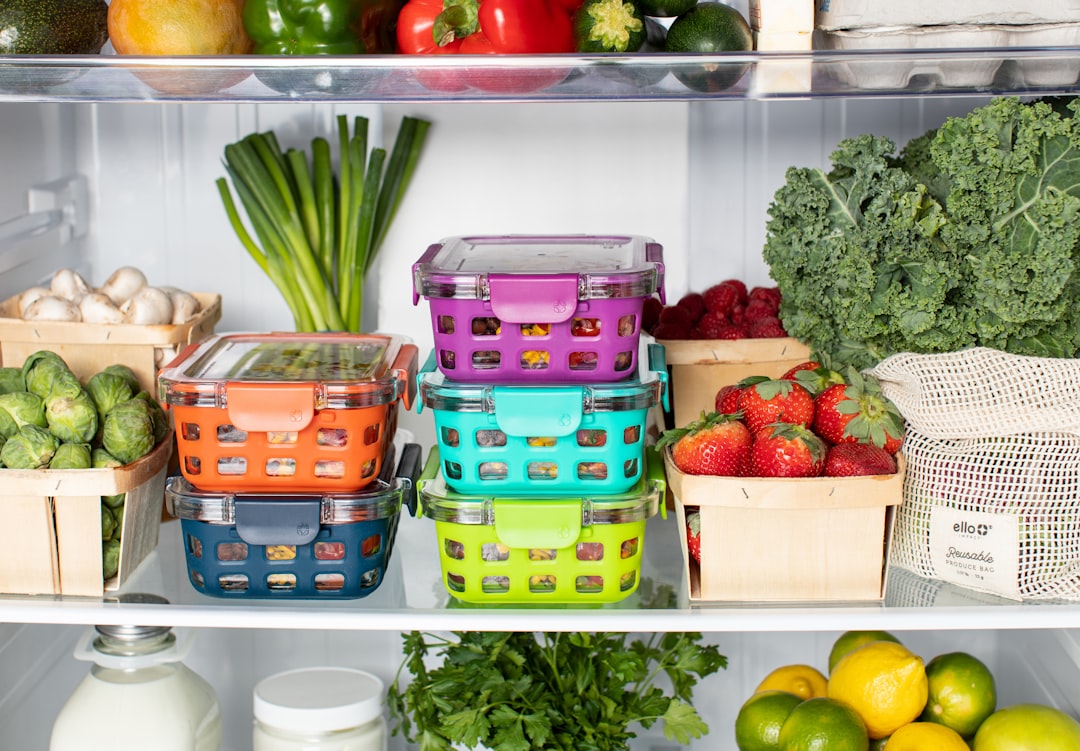
The zones
Top shelf — drinks, leftovers, ready-to-eat. Warmest area in the main compartment. Don't store raw meat or fish here.
Middle shelf — dairy, eggs. Stable temperature, easy reach. Despite what the molded plastic on the door says, eggs belong here, not in the door. Door temperature swings every time someone opens it.
Bottom shelf — raw meat, fish, poultry. Coldest part of the fridge. Always in a sealed container or on a tray so juices can't drip onto food below. (Nothing should be below — this is the floor.)
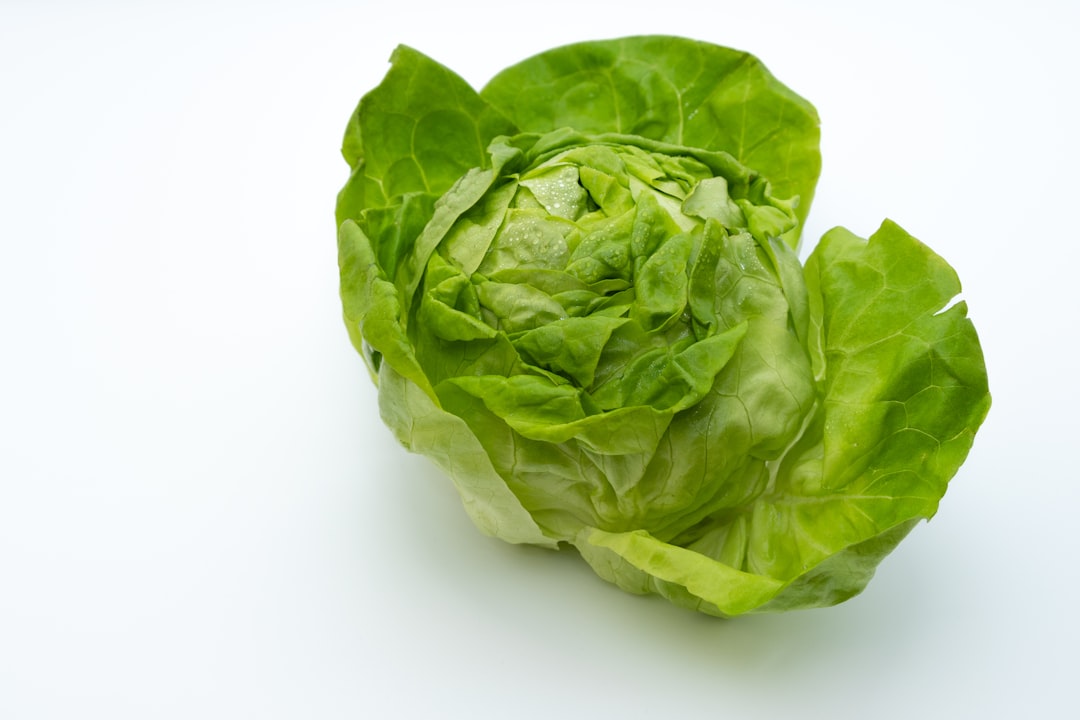
Crisper drawers — fruit and vegetables. Most fridges have humidity-controllable drawers. High humidity for leafy greens (they need moisture to stay crisp); low humidity for ethylene-producing fruit (apples, pears) that would otherwise speed each other up.
Door — condiments, cured meats, things that don't care about temperature swings. The warmest spot. Things that have built-in preservatives (mustard, ketchup, hot sauce, soy sauce, jam) tolerate it fine.
Habits that compound
The layout matters, but so do these:
Wipe spills immediately. A drip of milk or fruit juice in the bottom of the crisper creates a bacterial micro-environment that infects everything nearby. 10 seconds with a paper towel saves a week of produce.
FIFO — first in, first out. When you buy new groceries, push older items toward the front and new ones to the back. The opposite is intuitive (put new stuff in front of your face), but it's also how the back of the fridge becomes a science experiment.
Don't overpack. Air needs to circulate. A fridge crammed to 100% capacity has hot pockets where cold air can't reach. Aim for 75% full.
Don't store hot food. A warm dish raises the internal temperature for hours, which compromises everything else. Let things cool on the counter for 30 minutes before refrigerating.
Clear the fridge weekly. Pick a day. Pull anything questionable, check expiry dates, plan meals around what's about to turn. This is where Fridgea earns its keep — a single glance shows what's expiring this week.
What goes outside
A few things actually last longer outside the fridge:
- Bananas, avocados, peaches, plums — counter until ripe, then fridge.
- Tomatoes — counter for flavor; fridge mutes the aroma.
- Onions, garlic, potatoes, winter squash — cool dark pantry.
- Bread — paper bag on the counter for 2–4 days, freezer beyond that. Fridge speeds staling.
The pattern: things that ripen need warmth; things that bruise need air; things with thick skins or low moisture want a cool dry pantry.
What changes when it's organized
People who set up zones once and stick to them report 30–50% less spoilage in the first month. You're not buying less food. You're not eating more carefully. You're just letting physics — air, temperature, humidity — do its job.
That's it. Same fridge. Same food. Half the waste.